
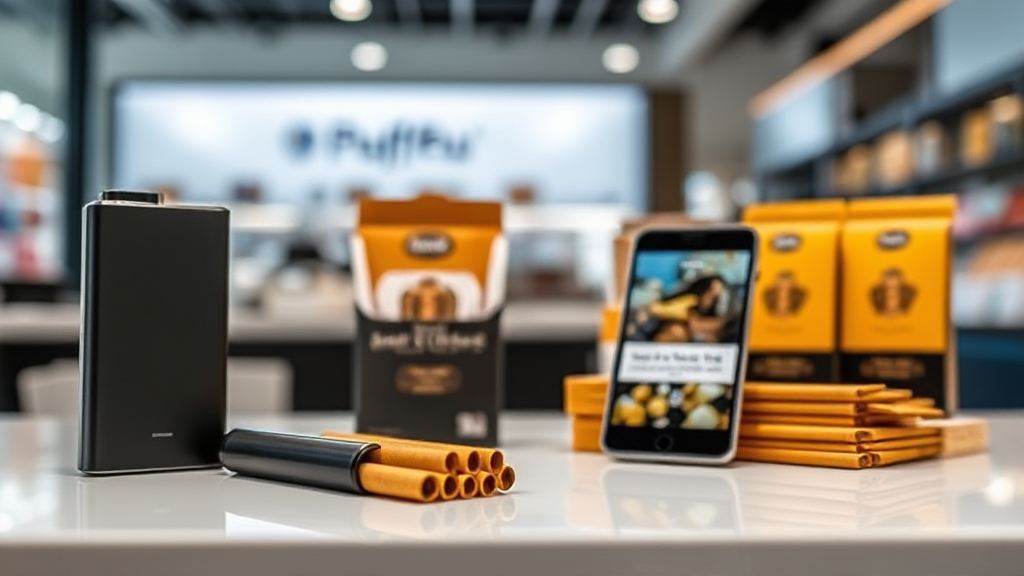
Buy Heated Tobacco Sticks: What Changes Once You Already Know How to Use Them
The short answer is this: once you already know how to use a heat-not-burn device, the way you buy heated tobacco sticks stops being about learning and starts being about control. You stop asking “how does this work” and start asking “which stick, which strength, which batch, which delivery window, and where do I keep the price from drifting upward.” Beginners buy one pack to test a device. Experienced users buy a supply chain. That is the real difference, and it reshapes almost every decision that follows.
I spent several weeks testing this properly rather than just ordering once and moving on. I compared how a first-time buyer and a long-term user approach the same shop, the same product pages, and the same checkout. What follows is the question-and-answer version of what I found, because that is how an experienced user actually thinks when they sit down to reorder.
What actually changes for a beginner versus someone who has used HNB for years?
A beginner is buying information as much as tobacco. They want to know whether the device heats properly, whether the draw feels harsh, whether the stick fits the holder, and whether the whole thing is worth continuing. Every purchase is a test. Price matters, but curiosity matters more.
An experienced user has already answered those questions. Their buying behaviour shifts toward three things: consistency, cost per stick, and availability. They know which flavour they want, they know the difference between a fresh pack and one that has been sitting in a warehouse, and they know that running out mid-week is more annoying than paying slightly more per pack. So the experienced buyer optimises for reliability, not discovery.
That single shift changes what you look for in a shop. You stop judging a store by how flashy the homepage is and start judging it by whether the exact stick you want is in stock, whether the shipping estimate is honest, and whether the payment step is quick enough that you can reorder in under two minutes.
Why does the device you already own decide which sticks you can buy?
This is the question beginners ask too late and experienced users never forget. Heated tobacco sticks are not universal. Different devices use different heating systems, different stick lengths, and different temperature profiles. A stick designed for one holder may not fit another, or may fit but underperform because the heating element does not align with the tobacco section the same way.
So the first real filter when you buy is compatibility, not flavour. If you already own a device, you are effectively locked into a family of sticks unless you are willing to switch hardware. Experienced users treat this as a feature rather than a limitation, because it narrows the search and lets them focus on quality within a known category.
When I tested this, the biggest frustration was not price. It was ordering a stick that looked compatible on the product page but behaved differently in the holder. The lesson is simple: once you know your device, buy only sticks explicitly matched to it, and treat any “universal” claim with caution.
How do you judge freshness and storage before the pack even arrives?
Freshness is the quiet variable that separates a good reorder from a disappointing one. Heated tobacco sticks are a consumable, and the tobacco inside them responds to moisture, heat, and time. A stick that has dried out will taste flatter and produce a thinner aerosol, no matter how good the device is.
Experienced users look for signals before buying: how the shop describes its stock rotation, whether it mentions sealed packaging, and whether the delivery times suggest the product moves quickly rather than sitting in a warehouse. A shop that ships fast to Europe is usually a shop that turns stock over fast, which is a decent proxy for freshness.
Once the pack is in your hands, storage matters more than most people admit. Keep sticks sealed until you use them, keep them away from direct heat and sunlight, and avoid leaving them in a hot car. Beginners often store a whole carton loosely in a drawer. Experienced users keep the seal intact and open packs one at a time.
Is buying in bulk actually cheaper, or does it just feel cheaper?
This is where the experienced user and the beginner genuinely diverge. Bulk buying looks obviously smart, but it only pays off if you can store the product properly and if you are certain about the flavour and strength you want. Buying ten packs of something you have never tried is not a saving; it is a commitment to a mistake.
The sensible sequence I would recommend, based on testing, is this: buy one or two packs to confirm the flavour, then move to larger orders once you are sure. After that, bulk buying becomes genuinely efficient because you reduce shipping frequency, reduce the risk of running out, and often reduce the per-pack cost.
The counterargument is shelf life and storage. If your bulk order will sit for months in a warm room, the savings evaporate in quality terms. So the honest answer is: bulk buying is cheaper only when your storage is good and your preference is settled.
What should you check at checkout that beginners usually ignore?
Beginners focus on the product page. Experienced users focus on the checkout, because that is where most of the friction and most of the risk actually live. There are four things worth checking every time.
First, payment security. A legitimate shop uses encrypted checkout and recognised payment methods. If the payment page looks improvised, stop. Second, delivery scope and timing. If you are ordering across Europe, confirm the shop actually delivers to your country and gives a realistic window rather than an optimistic one. Third, order confirmation. You should receive a clear confirmation with tracking, not a vague email. Fourth, returns and support. If something arrives damaged or wrong, you want a support channel that responds.
None of this is exciting, which is exactly why beginners skip it and experienced users do not. The whole point of knowing how to buy is that you stop losing time and money to avoidable problems.
How do you compare shops without getting fooled by surface differences?
Most heated tobacco shops look similar at a glance. The differences that matter are operational, not visual. When I compared options, the useful signals were stock reliability, shipping speed to European destinations, payment options, and whether the product descriptions were specific enough to confirm compatibility.
A shop that lists clear device compatibility, states its delivery coverage honestly, and offers secure payment is doing the hard work for you. A shop that is vague about all three is asking you to take on the risk. For an experienced user, that is an easy decision.
It also helps to think in terms of repeat orders rather than one-off purchases. The best shop for you is not the one with the single lowest price today; it is the one that will still have your stick in stock next month, at a price that has not jumped, with a checkout that still works. Reliability compounds. A one-time discount does not.
What is the experienced buyer’s actual routine, start to finish?
After testing, the routine that emerged was consistent and slightly boring, which is a good sign. It looks like this.
Know your device and its compatible stick family. Keep one open pack and one sealed backup so you never run out. Reorder before you hit the last pack, not after. Buy in larger quantities only for flavours you have already confirmed. Check payment security and delivery coverage every time, even if you have used the shop before, because terms change. Store everything sealed and cool. And keep an eye on price trends so you notice when a shop quietly becomes expensive.
The beginner version of this routine is “find a stick, order it, hope for the best.” The experienced version is “maintain a small, controlled supply.” That is the whole change. It is not about spending more or knowing secret tricks. It is about turning a one-off experiment into a stable habit that costs less per use and causes fewer problems.
If there is one thing I would tell someone moving from beginner to experienced, it is this: stop optimising for the cheapest single order and start optimising for the smoothest repeat order. The people who enjoy heated tobacco most are not the ones who found the lowest price once. They are the ones who set up a reliable source, confirmed compatibility, protected freshness, and then stopped thinking about it. Once that is in place, buying stops being a task and becomes a background detail, which is exactly where it belongs.

Leave a Reply